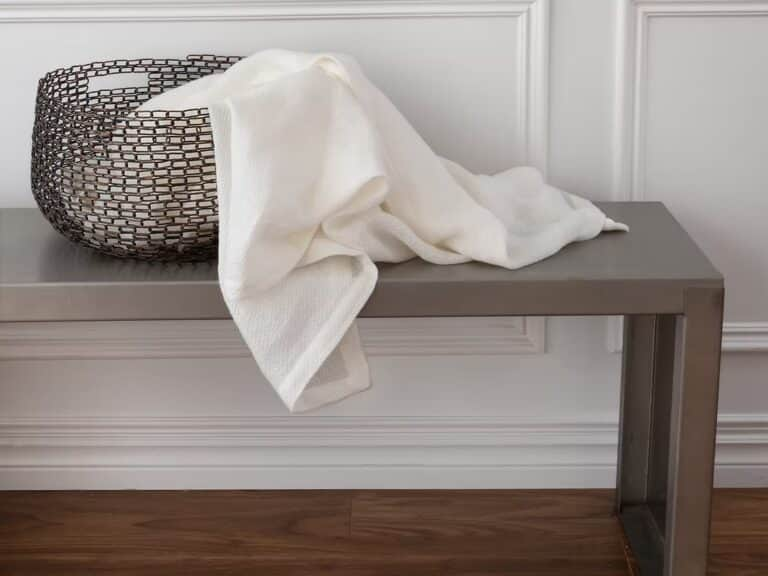
St Geneve Avalon Linen Throw

A Practical Guide to Linen in Bedding: History, Properties, and Care

Explore the enduring appeal of linen in bedding, from its natural temperature regulation and moisture-wicking properties to its historical roots. This guide offers a clear overview of how linen behaves in everyday use and practical care tips to extend its life.

Introduction

Linen has long been celebrated for its breathability, cool touch, and natural resilience. Derived from the flax plant, linen fibers possess a unique combination of moisture-absorption and rapid evaporation that helps regulate body temperature during varying climates. In bedding, linen’s irregular texture and matte finish contribute a sense of understated luxury that softens with use, rather than a synthetic polish that can feel temporary.

What makes linen feel so different is the fiber itself: a sturdy, hollow-core filament that creates micro-pores, allowing air to pass through and moisture to wick away. The weave, finish, and GSM (grams per square meter) of the fabric influence its hand, durability, and aging. When you choose linen for bedding, you’re selecting a material that performs across seasons, grows more comfortable with washing, and develops a patina that tells your nightly story rather than a story printed on a label.

Fiber, Weave, and Finish

The flax-based linen fiber presents a crisp, cool hand, but it can range from delicate to substantial depending on the blend and the thread count. Unlike cotton or synthetics, linen fibers excel at moisture management. The finish—whether a simple stonewash, a subtle enzyme treatment, or a gentle mercerization—modulates the texture and drape without masking the inherent character of linen.

In bedding, the weave choices include plain, basket, and herringbone textures, each offering a different tactile and visual profile. A basket weave, for example, can emphasize breathability and a slightly loftier hand, while a plain weave delivers a sleek, minimalist surface. The finish may influence properties like pilling resistance and color retention, but linen is naturally inclined toward durability and long life with proper care.

Care and Maintenance Essentials

Care guidelines for linen bedding combine practical steps with a respect for the fabric’s natural aging process. Linen thrives when washed in cool to warm water with a mild detergent, avoiding harsh detergents that can strip softness. Drying should favor air or low-heat settings to preserve fiber integrity and prevent excessive wrinkling. The goal is to preserve the crisp, breathable quality that linen offers while gradually smoothing out stiffness that can occur after the first few washes.

To keep linen bedding comfortable, avoid over-drying and minimize fabric softeners, which can reduce natural moisture absorption and leave residues. Ideal care involves washing in small loads with ample water, removing promptly, and perhaps a light tumble or line dry to reduce set-in wrinkles. Over time, linen becomes softer, and its texture gain a preferred patina—an indicator of its life lived in your bedding routine.

Color, Colorfastness, and Maintenance Tips

Colorfast linen relies on well-managed dye processes and careful washing. When dyeing linen, choose reactive dyes that bind well to cellulose fibers. For maintenance, wash linen bedding separately the first few times to prevent lint transfer and color bleed. Avoid strong chemical bleaches that can degrade fiber strength; opt instead for mild detergents and gentle cycles. With each washing, linen’s character evolves—colors may fade graciously, while the fabric gains a softer, more inviting surface texture.

Storage is a final, practical consideration. Store linen bedding in a cool, dry place away from direct sunlight to prevent any color shift. If you need to fold and store, do so with clean hands and avoid compressing the fabric for extended periods, allowing air to circulate and preserve the material’s natural flexibility.

Choosing Linen for Projects

When selecting linen for bedding projects or replacements, consider flax linen vs. blends and weight options. Pure linen tends to deliver a cooler, crisper feel, ideal for warm sleepers or climates where breathability is paramount. Linen blends—such as linen-cotton or linen-silk—strike a balance between hand feel and durability, often offering easier care and a broader range of drape characteristics. Weights measured in ounces per square yard (or GSM) give a practical sense of warmth and heft; lighter weights excel in summer or high-hiberation bedding, while heavier weights provide a structured warmth for cooler nights.

Climate, personal preference, and sleep environment should guide your choices. In a temperate climate with humidity fluctuations, linen’s moisture management can contribute to a healthier sleep environment by promoting airiness and cooler surfaces during nights of heat and humidity.

Sustainability and Ethics

Linen holds a special place in sustainable textiles due to the flax plant’s relatively low input requirements and soil restoration benefits. Compared to some cotton or synthetic fibers, linen production can enlist fewer pesticides and less intensive chemical use. Lifecycle thinking—considering farming methods, processing, and end-of-life recyclability—positions linen as a thoughtful choice for environmentally minded consumers. For bedding buyers, certifications such as OEKO-TEX or GOTS can provide reassurance about processing standards, dye safety, and overall environmental considerations.

In practice, sourcing linen from mills and suppliers that emphasize responsible farming and transparent traceability enhances both product quality and social responsibility. The dialogue around linen thus extends beyond texture and price; it becomes a conversation about stewardship, durability, and the long arc of textile heritage.

Key Figures in Linen and Textile Understanding (Across Time)

Denis Diderot (1713–1784)

Though best known for the Encyclopédie, Diderot’s era marked a turning point in industrial perception—observing textile processes, fibers, and weaving as a part of a broader push toward empirical science and practical knowledge. His era laid groundwork for standardized textile descriptions, cataloging fiber properties, and cross-disciplinary dialogue between craft and science. Linen’s role in European wardrobes and household textiles became a canvas for Enlightenment ideas about quality, craftsmanship, and the transmission of knowledge.

C. Kerr (19th Century)

Industrial-era breakthroughs in flax processing, retting, and spinning redefined linen’s availability and consistency. Kerr’s era embodies the shift from artisanal to semi-industrial textile production, enabling more predictable fiber quality and broader distribution. Linen became more accessible to households, changing the fabric’s cultural footprint and contributing to the long-term durability associated with linen bedding in modern homes.

Contemporary Textile Scientists

In the late 20th and early 21st centuries, researchers and industry professionals emphasized sustainability, certification, and lifecycle analysis. Contemporary textile scientists investigate fiber blends, finishing processes, and the environmental implications of linen production. Their work informs consumer choices and industry standards, helping consumers understand how linen bedding aligns with responsible sourcing, reduced environmental impact, and transparent supply chains.

Product Spotlight: St Geneve Avalon Linen Throw

Featured Item

St Geneve Avalon Linen Throw

Woven in Portugal from 100% linen and sewn in Canada, the Avalon Linen Throw embodies effortless elegance and refined craftsmanship. Its unique honeycomb weave creates a soft texture and graceful drape, offering the perfect blend of lightness and warmth. Sustainably made and beautifully versatile, Avalon invites quiet moments of relaxation—a timeless addition to your home.

Product image not displayed in this article
  • Material: 100% linen
  • Weave: Honeycomb
  • Size: 49" x 70"
  • Care: See care instructions on the label; avoid overcrowding during washing; air dry preferred; gentle cycle if machine washing.
  • Origin: Portugal (fiber) / Canada (assembly)

Conclusion: Linen as an Everyday Benchmark

As a material, linen blends history, performance, and a quiet, evolving beauty that suits a modern, thoughtful home. Its breathability, moisture management, and resilience under washing cycles position linen as a practical choice for bedding that remains comfortable across seasons. The care rituals—gentle washing, mindful drying, and respectful storage—preserve linen’s natural character, while its aging process rewards owners with a tactile softness that memory alone cannot reproduce.

For readers seeking a reliable reference on textiles and bedding, linen offers a tangible link to craft, culture, and the evolving story of sustainable design. It is a reminder that the most enduring comforts—like a well-made bed—are built not only from fabric but from habits, attention, and a respect for materials that stand the test of time.

Note: The Avalon Linen Throw is presented here as a representative example of high-quality linen bedding. Availability and pricing are subject to change.

Related Products

St Geneve Avalon Linen Throw

St Geneve · No. STGENEVE-AVALON-LINEN-THROW

St Geneve Avalon Linen Throw

Wrap yourself in Avalon’s airy, honeycomb linen—light, cozy, and drapey for easy lounging. Crafted in Portugal and Canada, it’s sustainably made, timelessly elegant, and perfect for reading by the fire or gifting with conscience. Comfort that lasts.

Theme