 Table
Riverside Tablerunner
Bring natural texture and a refined look to everyday meals with this soft linen-blend table runner. Its easy-care fabric keeps your table feeling special without adding fuss.
Table linens help protect dining surfaces, soften a room’s appearance, and create a practical setting for everyday meals or gatherings. Tablecloths cover most or all of a tabletop, while a table runner adds a narrower layer of coverage and visual definition. Fabric, dimensions, and care requirements are key considerations when choosing these textiles.
The Riverside Tablerunner provides a focused textile layer along the center of a table, helping define a dining arrangement while leaving portions of the surface visible. As a table runner, it can be used alone or over a tablecloth, depending on the desired coverage. Its dimensions and material determine how it fits different table shapes and settings.
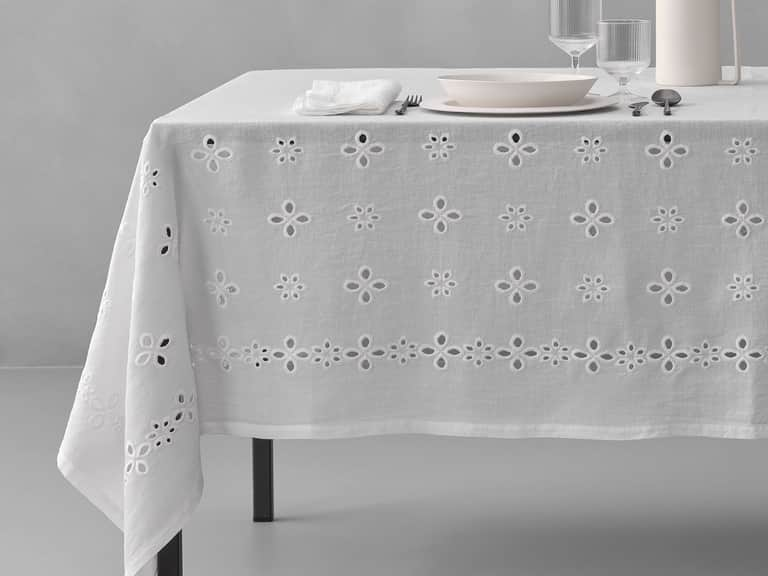
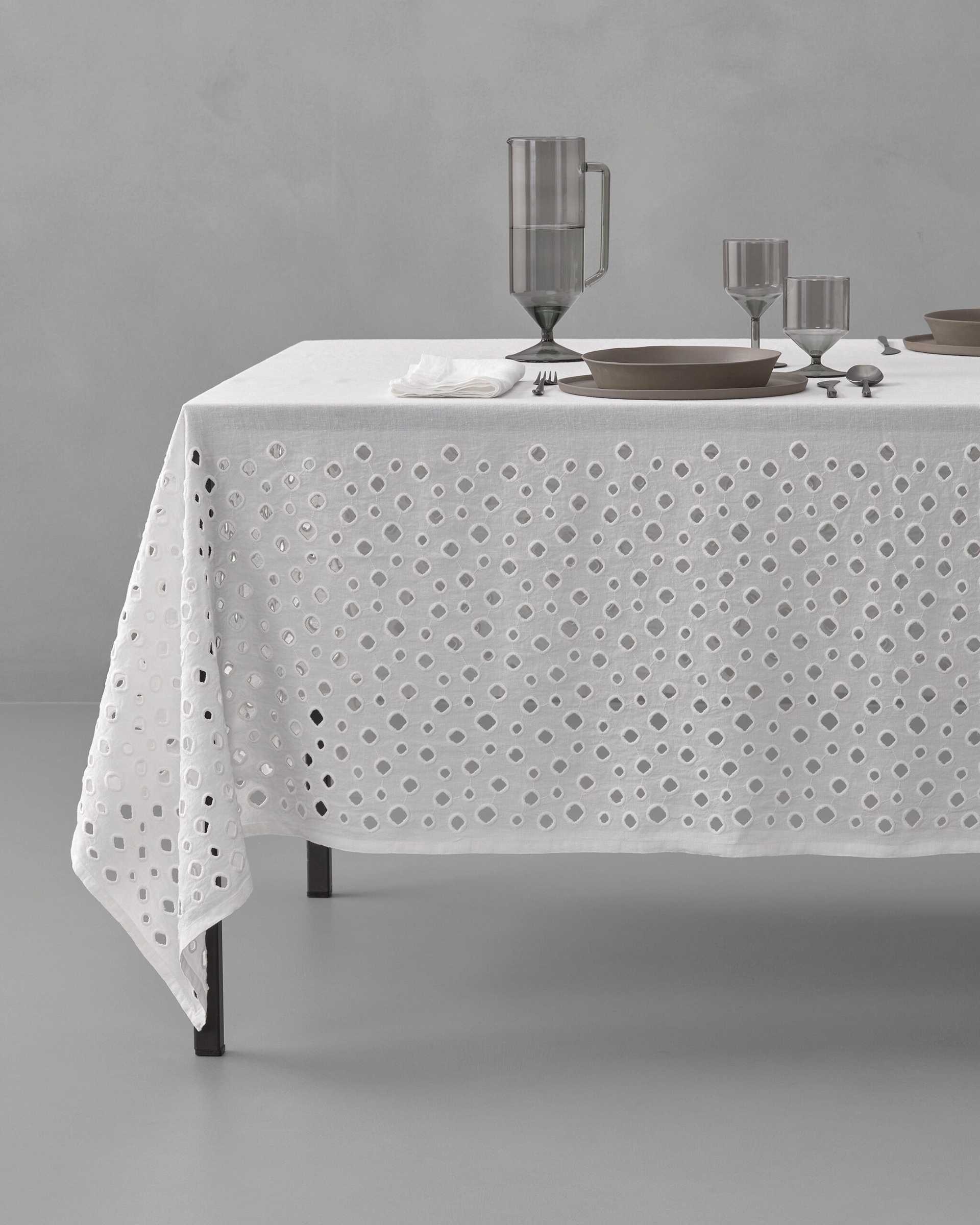
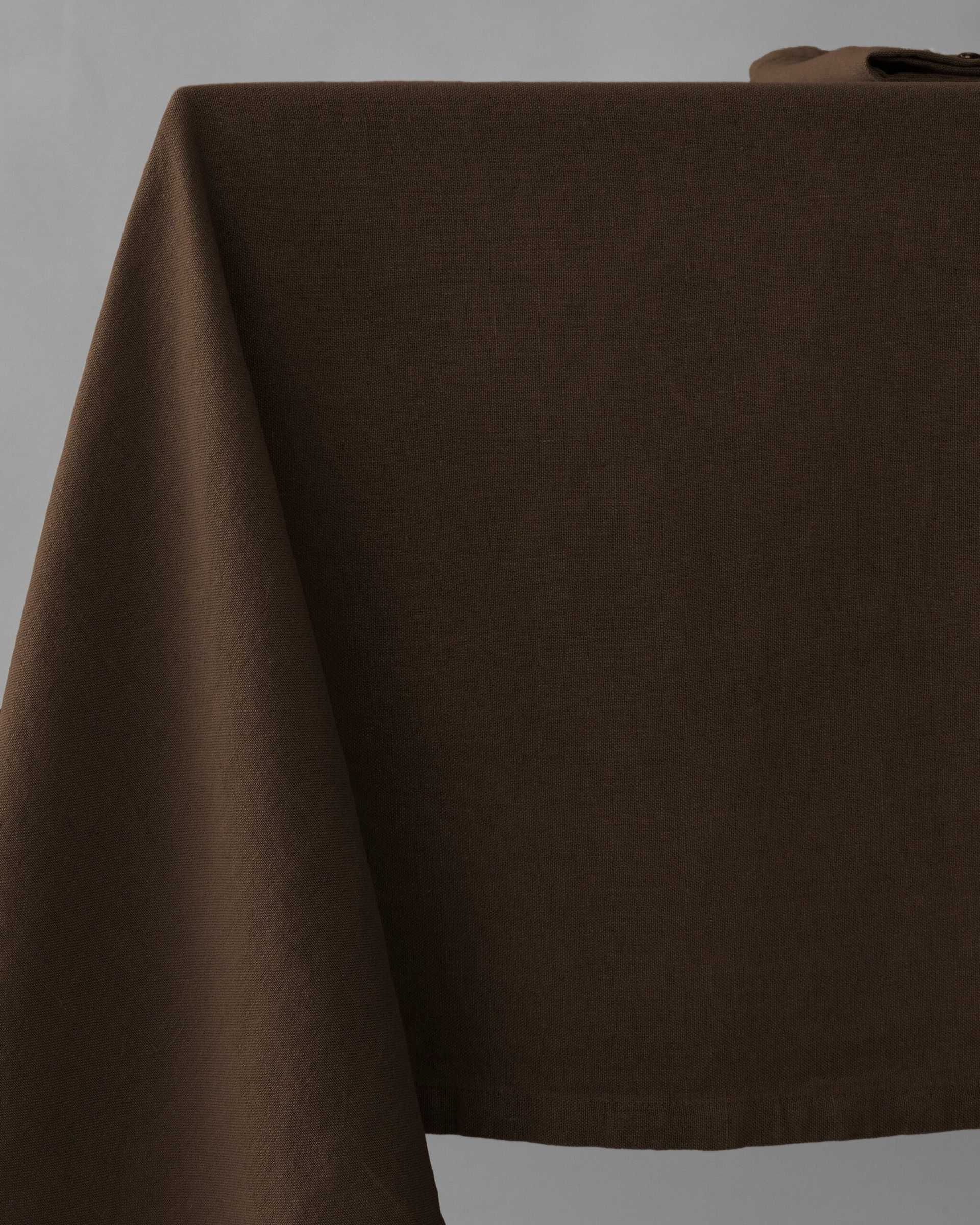
The Gypsum Tablecloth, Bon Table Cloth, Ols Table Cloth, and Bijou Table Cloth are designed to provide broader tabletop coverage. A tablecloth can help shield a surface from routine contact and contribute a coordinated look to a dining area. Comparing each product’s size, fabric, and maintenance instructions helps determine its suitability for a particular table.
Table linens serve a different function from bedding, pillows, and sheets, which are intended for sleeping spaces, or bath towels, which absorb moisture after washing. However, all are household textiles, and their usefulness depends on appropriate materials, fit, and care. For table coverings, a secure fit and straightforward laundering can support regular use.
When assessing a table textile, measure the tabletop and account for the preferred drop over its edges. Consider whether the item will be used for daily dining, formal settings, or surface protection, as these needs can affect fabric and upkeep preferences. Clear product details about dimensions and care make comparisons more useful.
Table
 Table
 Table
 Table
 Table